xxxx
3D DLP CERAMIC PRINTERS
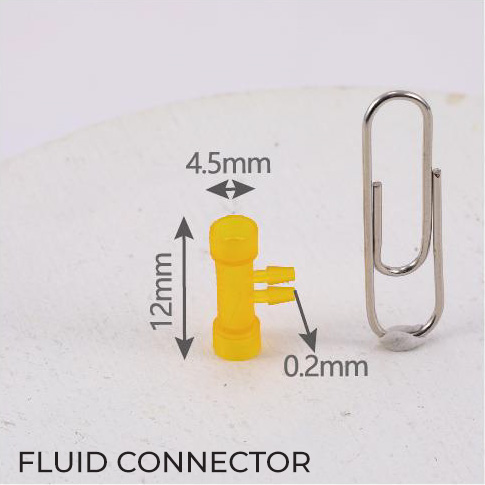
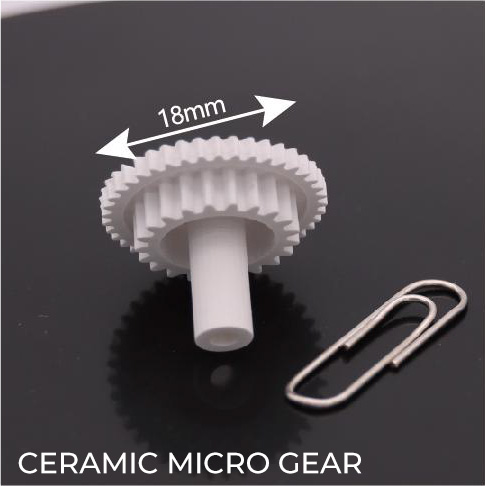
This high-performance ceramic 3D printing solution is designed for research, development, and high-precision prototyping, while also supporting cultural and creative products, precision ceramic parts, and small-batch customized production.
High-Precision for R&D
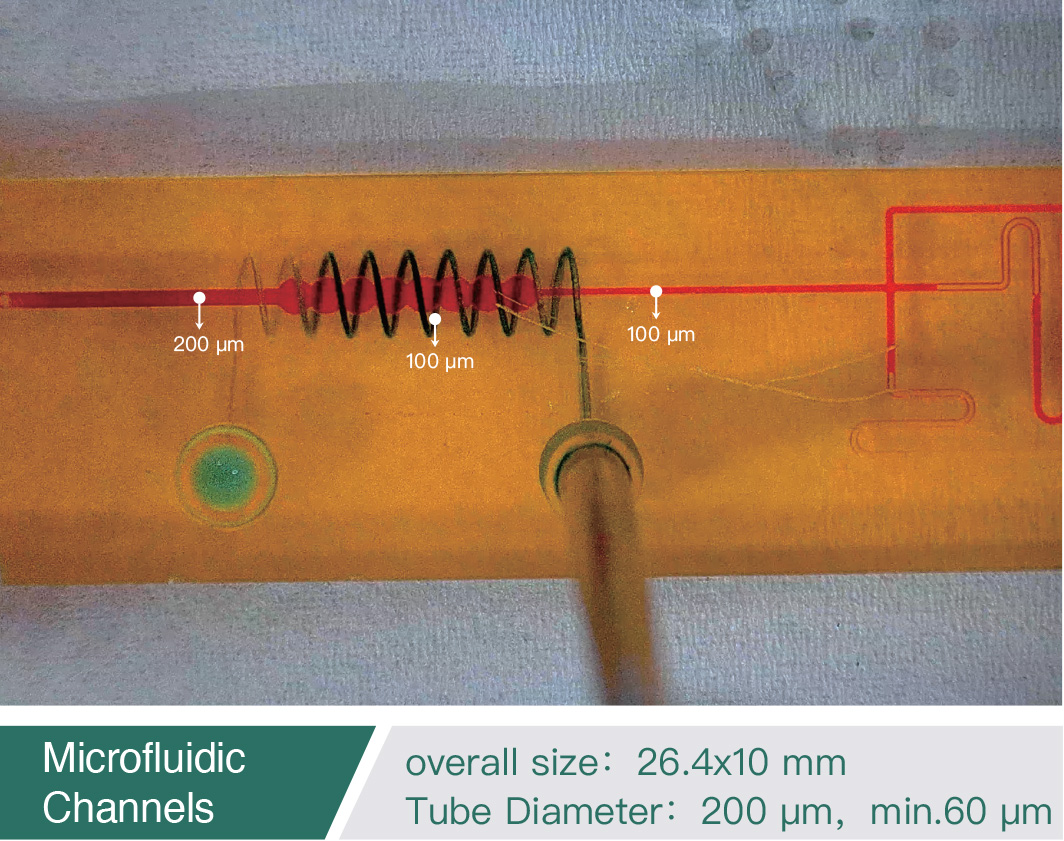
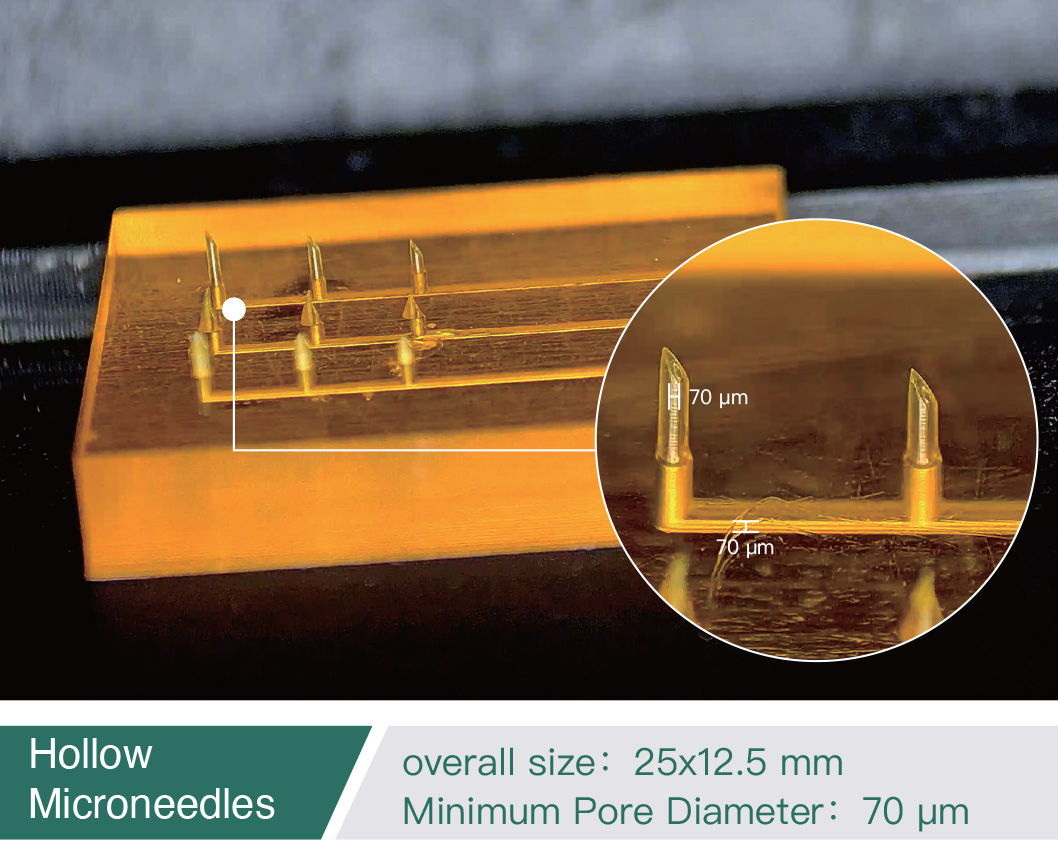
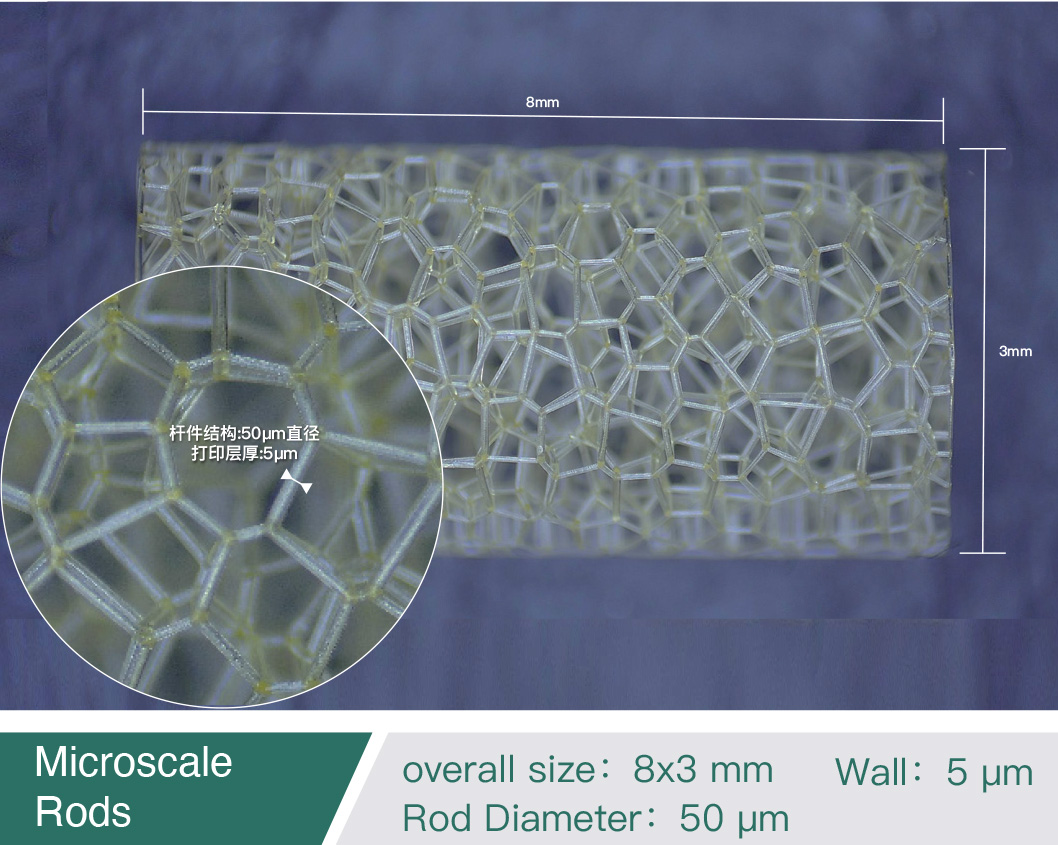
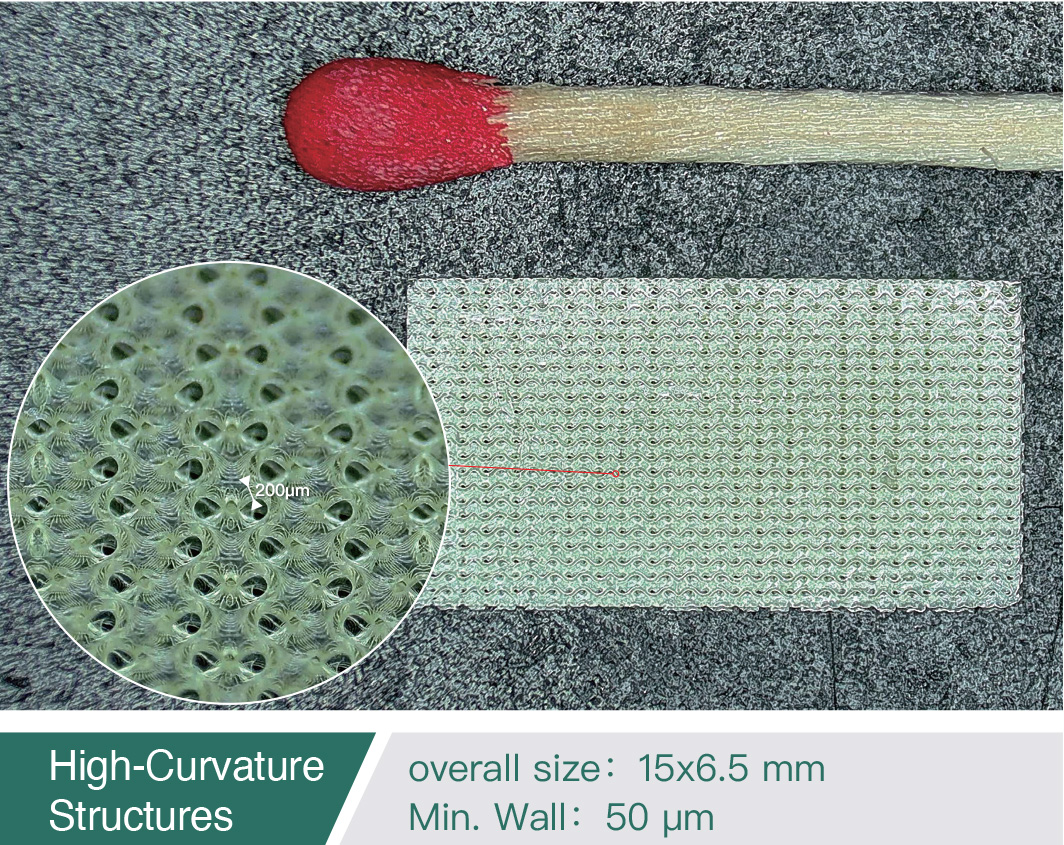
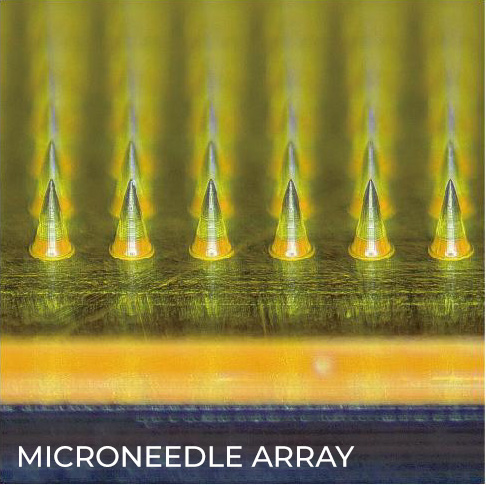
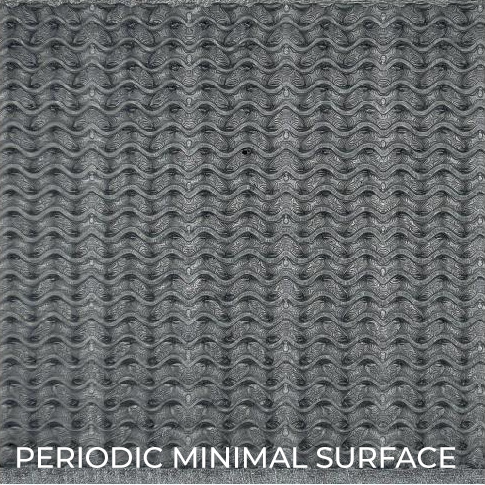
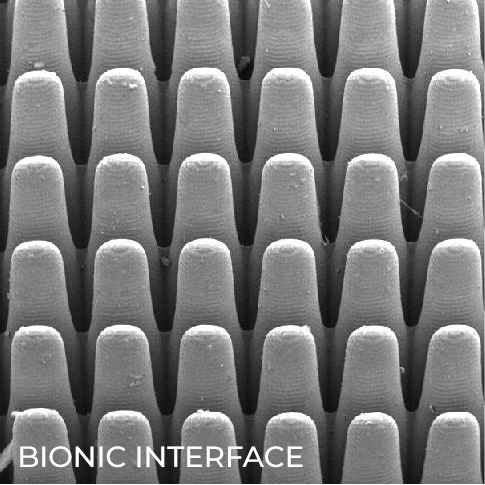
Designed for ceramic research, material development, and precision prototyping, capable of producing complex micro-scale structures.
AI-Assisted Process Control
Equipped with AI-supported parameter control software for automated adjustment and more stable printing quality.
Fast Small-Batch Development
Suitable for creative products, precision ceramic parts, and low-volume customized production with faster iteration.
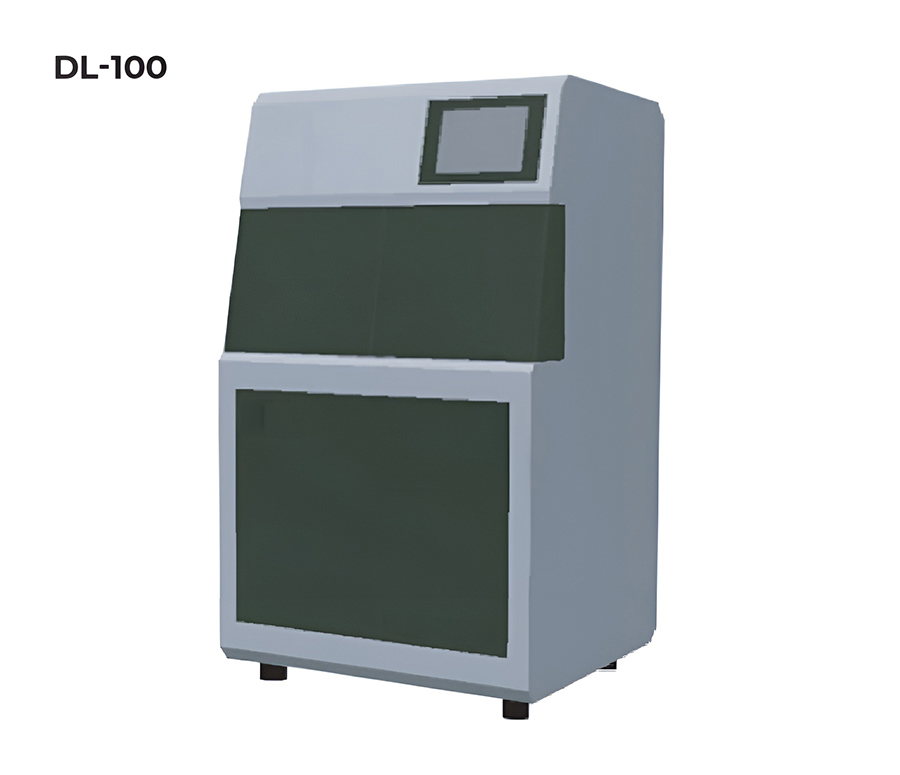
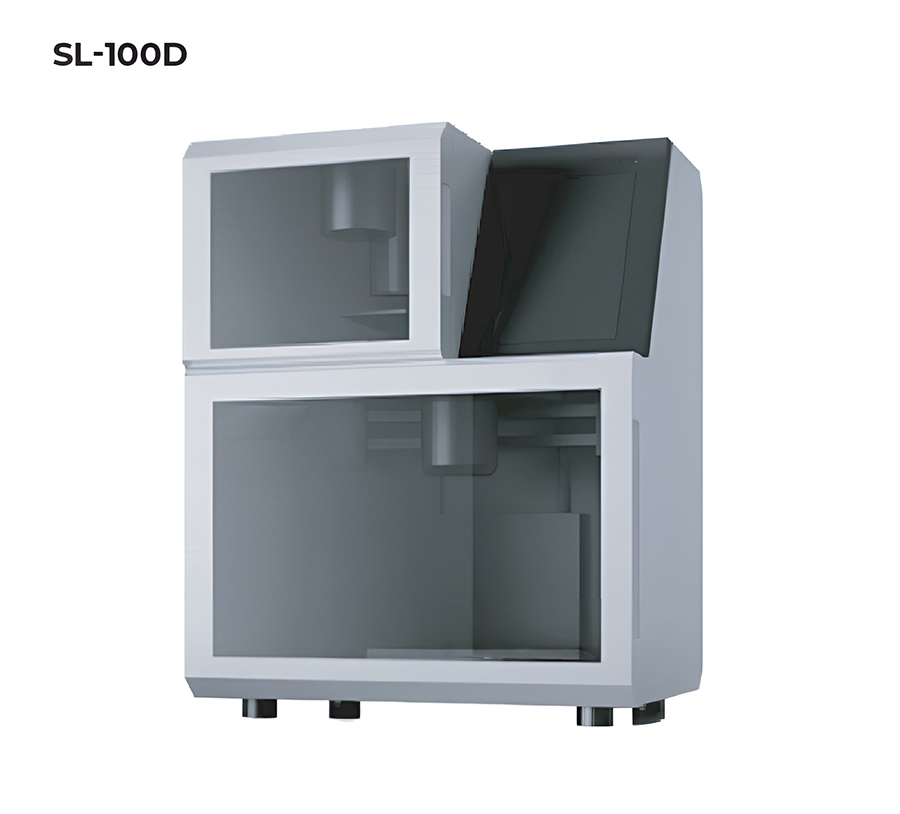
| SL-100D | DL-100D | |
| Machine Dimensions | 700 × 540 × 960 mm | 650 × 450 × 900 mm |
| Build Volume | 100 × 100 × 100 mm | 95 × 54 × 100 mm |
| Minimum Layer Thickness | 10–50 μm / adjustable | 10–150 μm / adjustable |
| Number of Recoater Blade | Available in 1 or 2 blades | Available in 1 or 2 blades |
| Optical Resolution | Laser spot size: 40 μm | DLP pixel size: 50 μm |
| Printing Accuracy | 100 mm ± 0.05 mm, 1920 × 1080 | 100 mm ± 0.05 mm, 1920 × 1080 |
| Light Source | UV Laser, 355 nm | UV LED DLP, 405 nm |
| Starting Print Material Volume | 300 ml | 300 ml |
| Printing Speed | ≥300 layers/hour | ≤350 layers/hour |
| Weight | Approx. 110 kg | Approx. 50 kg |
| Power Consumption | 1.5 kW (Max. power at startup) | 300 W |
| Supported Materials | Alumina, Zirconia, Silica, Carbides, and other UV-curable ceramic materials; light-sensitive resin materials | |
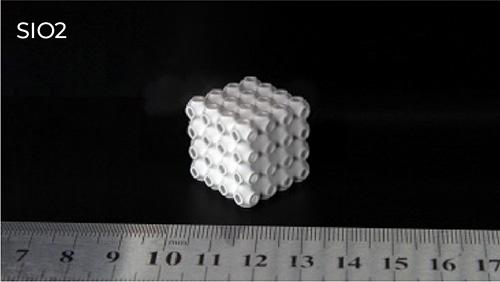
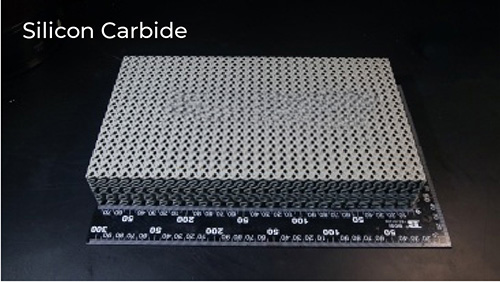
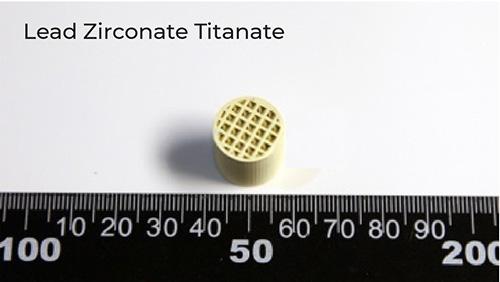
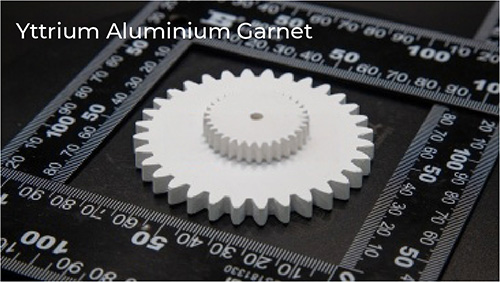
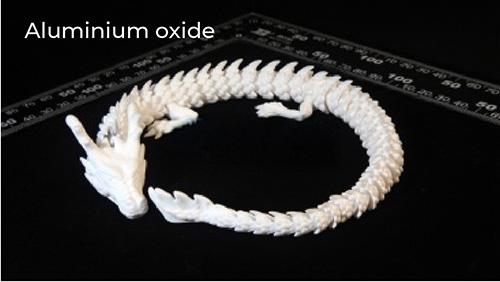
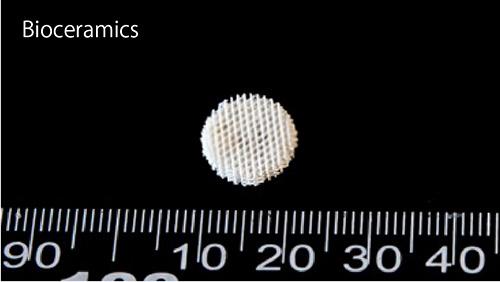
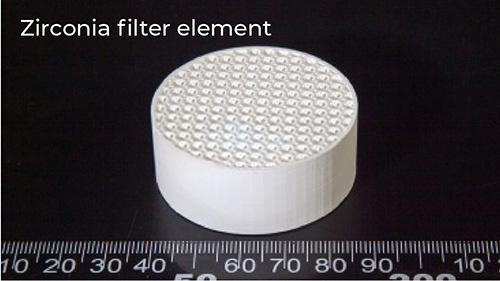
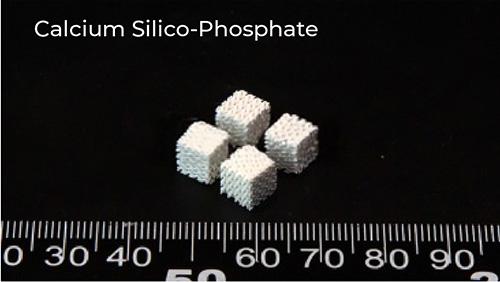
We also provide high-precision R&D DLP 3D printing systems for laboratories, universities, dental research teams, medical research groups, and advanced material developers. These systems are designed for small-volume testing, material validation, and precision sample development before moving toward larger-scale production.
With stable performance and flexible material compatibility, the series supports ceramic slurry, photosensitive resin, hydrogel, bio-ink, and other UV-curable research materials. It is suitable for micro/nano-scale prototyping, precision ceramic parts, biomaterial testing, and early-stage R&D applications.
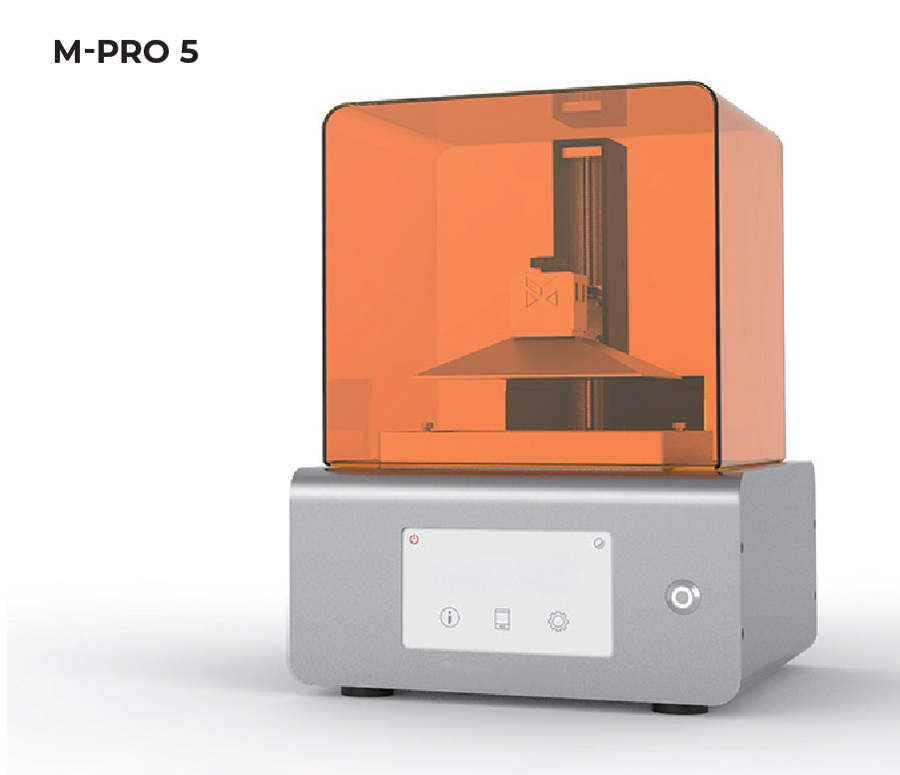
Micro R&D Printer Pro 5
A compact desktop DLP research printer for micro-scale testing and fine-detail prototypes. With 5 μm XY optical precision and 5 μm minimum layer thickness, it is ideal for small samples, ceramic slurry testing, hydrogel printing, bio-ink research, and micro/nano structure development.
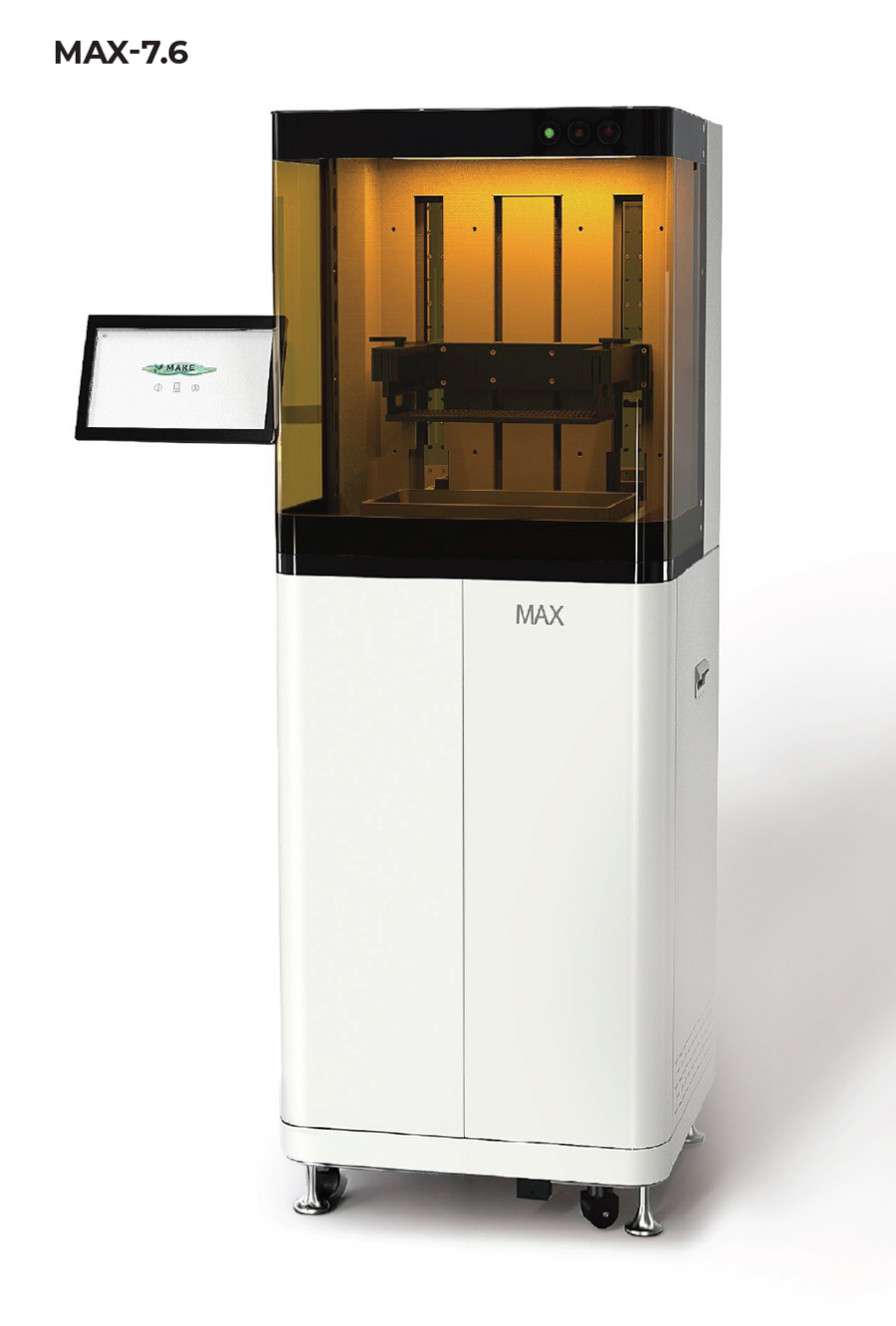
Precision DLP Printer 7.6
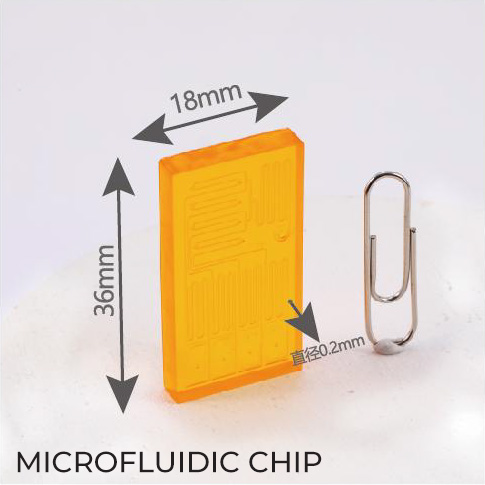
A larger high-precision DLP platform for advanced material research and precision component development. With 7.6 μm XY optical precision, 5 μm minimum layer thickness, and a larger build volume, it is suitable for ceramic parts, microfluidic samples, advanced resin printing, and higher-capacity R&D work.
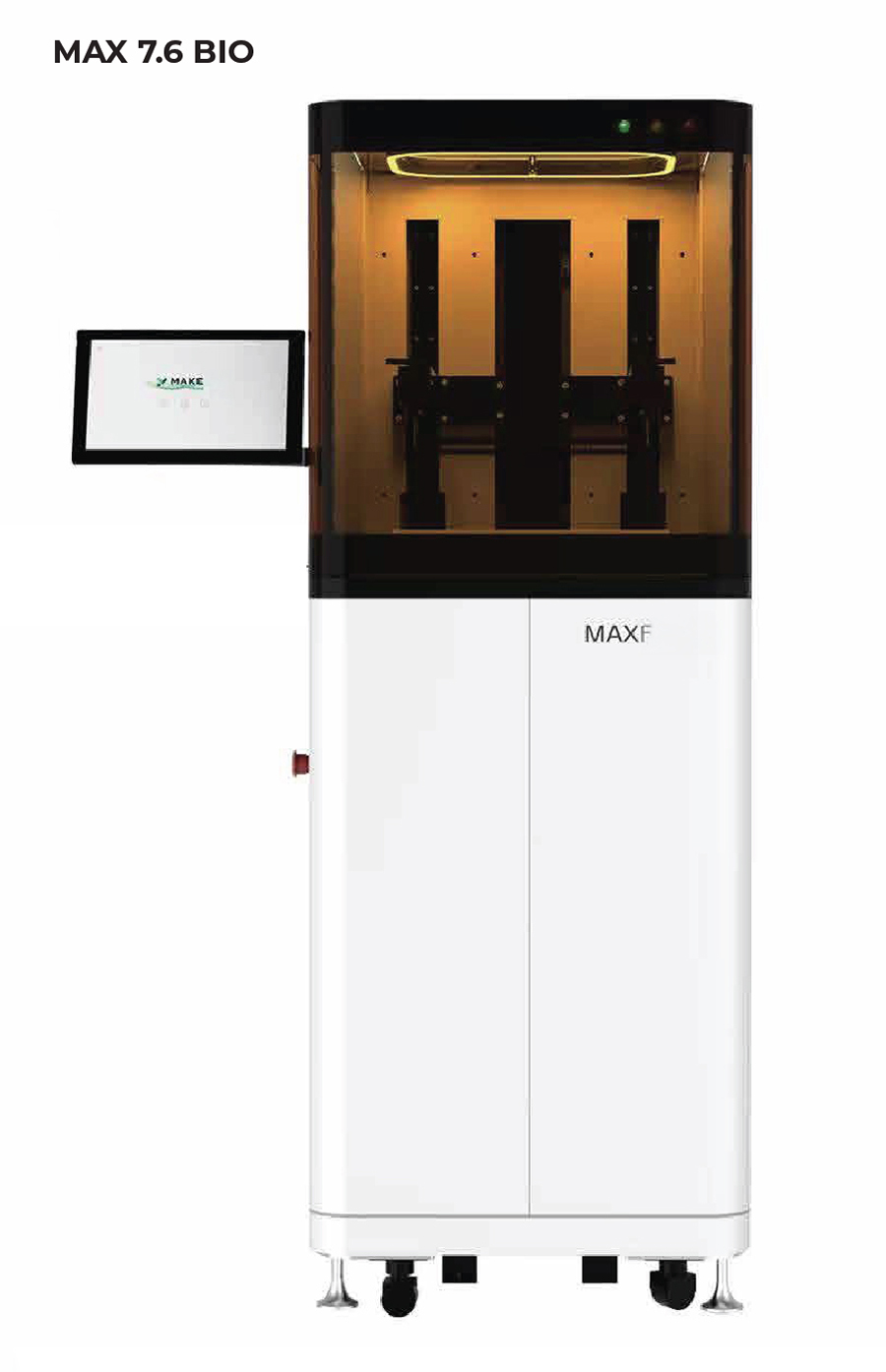
Precision DLP Printer 7.6 Bio
An upgraded bio-material research system designed for hydrogel, bio-ink, biomaterials, and micro-volume printing. It supports variable light intensity, biomaterial tanks, humidity control, optional constant temperature control, and micro-volume printing as low as 1 ml, helping reduce waste when testing valuable research materials.
| Specification | M-One Pro 5 | MAX-7.6 | MAX-7.6 Bio Version |
| Machine Dimensions | 310 × 310 × 450 mm | 630 × 630 × 1700 mm | 630 × 630 × 1700 mm |
| Build Volume | Single Projection: 12.8 × 7.2 × 100 mm Array Projection: 12.8 × 28.8 × 100 mm | 29.2 × 16.4 × 100 mm | Single Projection: 29.2 × 16.4 × 100 mm Array Projection: 29.2 × 49 × 100 mm |
| Minimum Layer Thickness | 5 μm minimum | 5 μm minimum | 5 μm minimum |
| Recoater Blade | Optional | Optional | None |
| Printing Accuracy | XY Axis Accuracy: 5μm; Z Axis Layer Thickness: 5–150μm | XY Axis Accuracy: 7.6μm; Z Axis Layer Thickness: 5–150μm | XY Axis Accuracy: 7.6μm; Z Axis Layer Thickness: 5–150μm |
| Light Source | Customized UV LED light engine, 405 nm | Customized UV LED light engine, 405 nm | Variable-intensity customized UV LED light engine, 405 nm |
| Starting Print Material Volume | Micro: 1mL; Standard: 10–20mL | Micro: 1mL; Standard: 10–20mL | Micro: 1mL; Standard: 10–20mL |
| Printing Speed | Low layer thickness: 1cm/hour High layer thickness: 5cm/hour | Low layer thickness: 1cm/hour High layer thickness: 5cm/hour | Low layer thickness: 1cm/hour High layer thickness: 5cm/hour |
| Weight | 28 kg | 390 kg | 390 kg |
| Power Consumption | Light engine power: 50 W | Light engine power: 120 W | Light engine power: 120 W |
| Supported Materials | Photosensitive resin, bio-ink, hydrogel, ceramic slurry | Broad material compatibility; not specified | Biomaterials, photosensitive resin, hydrogel, ceramic slurry, and bio-related materials |
| MAX 7.6 Bio Version | • Build Platform: Multi-size quick-release platform • Print Vat: Dedicated bio-material vat • Custom Heating: 35–40°C (constant temperature); Humidification. Heatable to 35–40°C with precise temperature control to meet different material requirements, ensuring print quality and stability. Humidification function suitable for printing special hydrogels and bio-materials, providing sufficient moisture to optimize the forming environment and improve print accuracy and material performance. | ||